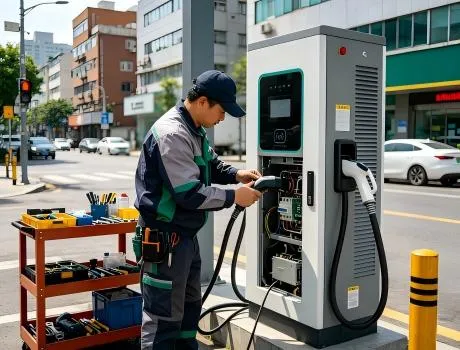
As the global transition toward renewable energy continues to accelerate, energy storage systems (ESS) have become an essential part of modern power infrastructure. Whether supporting residential solar installations, commercial facilities, industrial operations, or utility-scale projects, energy storage systems help improve energy efficiency, reduce electricity costs, and enhance grid stability.
Unlike traditional power systems that rely solely on real-time electricity generation, energy storage systems store excess energy and release it when demand increases. This enables better utilization of renewable energy sources such as solar and wind power while providing reliable backup power during outages or peak electricity demand. Today, advances in lithium-ion battery technology, battery management systems (BMS), and energy management software have made ESS more efficient, intelligent, and scalable than ever before. From compact home battery systems to containerized utility-scale energy storage solutions, businesses and homeowners can choose systems tailored to their specific energy requirements. Whether you are planning a residential solar project, a commercial energy storage installation, or a large industrial application, this guide will help you understand how energy storage systems work, the different types available, and what factors to consider when selecting the right ESS solution.
What Is an Energy Storage System and How Does It Work?
An Energy Storage System (ESS) is a technology that stores electrical energy for later use. By capturing electricity generated from the grid or renewable energy sources, an ESS can supply power when generation decreases or electricity demand increases. This helps improve energy reliability, optimize electricity consumption, and reduce dependence on the utility grid.
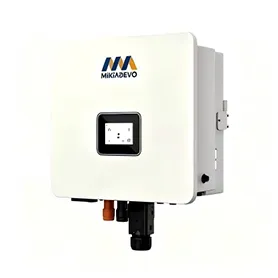
A typical energy storage system consists of several key components, including battery modules, a battery management system (BMS), a power conversion system (PCS), an energy management system (EMS), and monitoring software. Together, these components ensure safe operation, efficient charging and discharging, and real-time performance monitoring.
Lithium-ion batteries have become the preferred technology for modern ESS due to their high energy density, long cycle life, fast charging capability, and low maintenance requirements. Compared with traditional lead-acid batteries, lithium-ion systems offer higher efficiency and longer service life, making them suitable for both residential and commercial applications.
Energy storage systems are available in a variety of configurations to meet different installation requirements.
Typical solutions include:
Home Energy Storage Battery
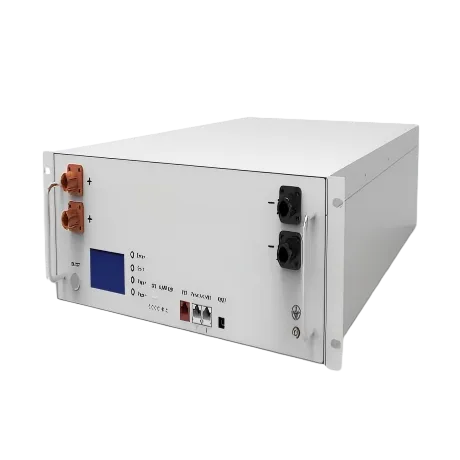
Rack-Mounted Li-ion Battery Module
Wall-Mounted Li-ion Battery Module
Roller-Type Li-ion Battery Module
Stacked Li-ion Battery Module
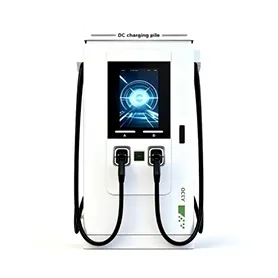
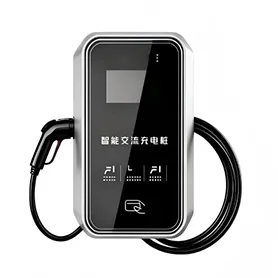
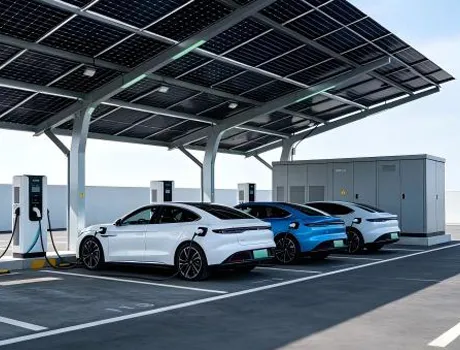
Integrated Solar-Storage-Charging System
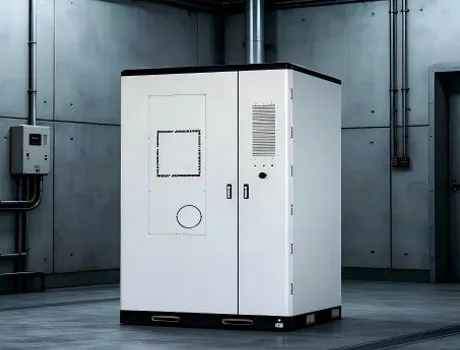
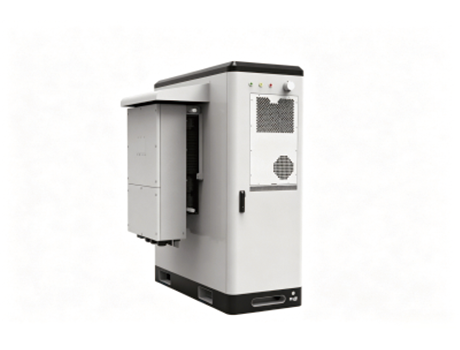
Commercial & Industrial (C&I) Energy Storage
C&I Storage 241kWh (Air-Cooled)
C&I Storage 100/112kWh (Air-Cooled) Hybrid
C&I Storage 241kWh (Air-Cooled) Hybrid
C&I Storage 241/261kWh (Liquid-Cooled)
Containerized Energy Storage System (CESS)
Container Energy Storage System 10ft, 2MWh AC Side
Container Energy Storage System 10ft, 2.5MWh AC Side
Container Energy Storage System 20ft,3.85MWh DC Side
Container Energy Storage System 40ft,5MWh DC Side
These solutions allow users to select the most suitable energy storage capacity according to project size, power demand, and application scenarios.
Key Advantages and Technical Features of Energy Storage Systems
Energy Storage Systems deliver multiple technical and economic benefits. One of the most important advantages is grid stabilization. By storing excess renewable energy and releasing it during peak demand periods, ESS help reduce grid pressure and prevent blackouts.
Key technical features of modern energy storage systems include:
Advanced lithium-ion battery modules with high safety standards and long cycle life
Efficient bi-directional power conversion systems
Intelligent thermal management (air-cooled or liquid-cooled) for optimal performance in different environments
Sophisticated Battery Management Systems (BMS) for real-time monitoring, balancing, and protection
Cloud-based energy management platforms for remote control, optimization, and data analysis
From an economic perspective, energy storage systems help users and businesses reduce electricity bills through peak shaving, valley filling, and demand response participation. For renewable energy projects, ESS can significantly increase self-consumption rates and improve overall system profitability. They also enhance energy independence by providing backup power during grid outages or unstable supply periods.
Compared to traditional energy solutions, modern ESS offer higher efficiency, greater flexibility, faster response times, and better integration with solar, wind, EV charging, and microgrid applications.
Real-World Applications of Energy Storage Systems
Energy Storage Systems are widely deployed across residential, commercial, and industrial sectors. In homes, wall-mounted and stacked battery modules allow households to store solar energy during the day and use it at night, increasing self-sufficiency and reducing electricity costs. The 5-in-1 Integrated Unit provides a convenient all-in-one solution for residential solar-storage-charging needs.
In the commercial sector, air-cooled and liquid-cooled systems (100kW–261kW range) help shopping malls, office buildings, hotels, and data centers manage peak loads, lower electricity expenses, and improve power quality. For industrial users, large containerized energy storage systems (10ft, 20ft and 40ft containers with capacities up to 5MWh) are used for microgrids, factory backup power, renewable energy integration, and peak shaving in high-consumption facilities.
Conclusion
Medium-Voltage Power Conversion Skids further enable large-scale projects by supporting efficient connection to medium-voltage grids. These solutions are also commonly used in renewable energy power stations, islands, remote areas, and critical infrastructure projects where reliable power supply is essential.
As global demand for clean and stable energy continues to rise, energy storage systems are becoming an indispensable part of modern energy infrastructure, supporting the transition to a low-carbon and sustainable future. For more details, please view our products or contact our team.
FAQs
What is an Energy Storage System (ESS)?
An ESS stores excess electricity (from the grid or renewables) and releases it when needed, improving reliability, reducing costs, and supporting renewable energy use.
How does an ESS help lower electricity bills?
It charges during low-price periods and discharges during peak hours (peak shaving), while also increasing self-consumption of solar or wind power.
Are modern energy storage systems safe?
Yes. Lithium-ion systems use advanced BMS, thermal management (air or liquid cooling), and multiple protection layers to ensure safe and stable operation.
Can ESS provide backup power during outages?
Yes. The system can automatically switch to battery power when the grid fails, keeping critical loads running.
How do I choose the right ESS capacity?
It depends on your daily energy use, peak demand, available solar generation, backup needs, and budget. Modular designs allow flexible expansion.
 English
 DC Charging Pile
  AC Charging Pile
  Inverter
  Residential Energy Storage
  Integrated Solar-Storage-Charging System
  Commercial & Industrial and Containerized Energy Storage
  Cloud Platform
  Photovoltaic Building Materials