Zhongchi Intelligent Technology (Yangzhou) Co., Ltd.
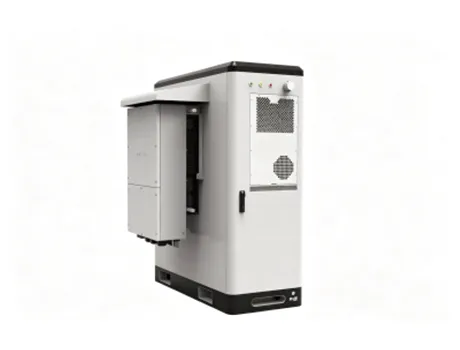
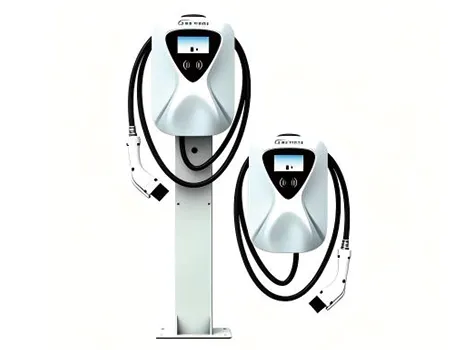
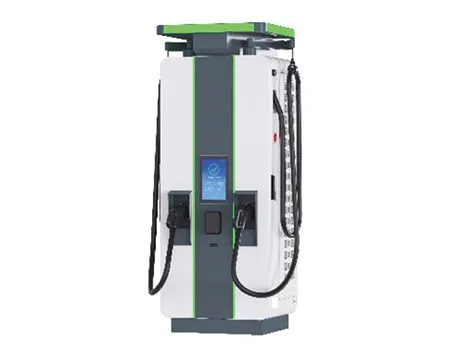
DC Charging Pile Inverter Residential Energy Storage Commercial & Industrial (C&I) Energy Storage
What's the difference between DC and AC charging piles?

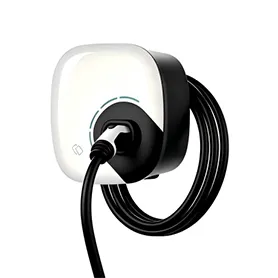
A DC charging pile converts grid AC power directly into DC power to charge the EV battery, bypassing the onboard charger. It delivers 60–960kW and charges in 20–60 minutes. AC charging piles provide AC power to the vehicle's onboard charger for conversion, typically 7–22kW, taking 6–10 hours for a full charge.

Can all EVs use DC fast charging?

Most pure EVs support DC fast charging, but the actual charging speed is limited by the vehicle's maximum acceptance rate. Some older models or plug-in hybrids may not support DC fast charging. Check your vehicle manual to confirm compatibility.

Does DC fast charging affect battery life?

Frequent DC fast charging can slightly accelerate battery aging, but modern EVs are equipped with BMS that intelligently regulates charging current and temperature to protect the battery. Combining fast and slow charging in daily use makes the impact negligible.

What are the requirements for installing a DC charging pile?

It requires three-phase industrial power supply, and transformer capacity must support the charger's power demand. You'll also need compliant installation site, foundation work, electrical panel upgrades, and approval from local authorities. Grid standards vary by country, so professional site assessment and installation are recommended.

Are maintenance costs high for DC charging piles?

Main costs include routine inspections, cooling system cleaning, software updates, and replacement of wear parts such as charging cables. Liquid-cooled units require periodic coolant checks. Generally, reputable brands have low failure rates, with annual maintenance costs around 3%–5% of equipment price.


What is the main function of an inverter?

An inverter converts DC power from solar panels into AC power for home or grid use. It also handles MPPT tracking (to maximize generation efficiency), grid-tied/off-grid switching, and system safety protection. It is the core component of any solar PV system.

What are the differences between single-phase, split-phase, and three-phase inverters?

Single-phase inverters are designed for standard residential grids. Split-phase inverters deliver 120V/240V dual-voltage output specifically for North American residential applications. Three-phase inverters suit larger homes, commercial buildings, and industrial facilities with higher power demands. Voltage standards vary by country and region.


What is a good efficiency rating for an inverter?

Mainstream inverters achieve 96%–98.5% conversion efficiency; anything above 97% is considered excellent. A 1% efficiency gain can add a significant amount to cumulative energy revenue over 25 years. Also pay attention to MPPT tracking efficiency (typically above 99%) and standby power consumption.


Can an inverter directly run high-power appliances like air conditioners or refrigerators?

Yes, as long as the inverter's rated power exceeds the total wattage of connected appliances. Note that appliances with motors (like air conditioners and refrigerators) draw 3–7 times their rated current during startup. It's recommended to allow a 1.5–2x margin or choose a model with short-term overload capability.

If the inverter fails, will the solar panels stop generating power?

Yes, the inverter is the core conversion device. If it fails, the entire system stops producing power. Choose reputable brands and consider purchasing extended warranty coverage. Some high-end models support modular repair, allowing quick replacement of faulty modules to minimize downtime.

How much electricity can a home storage system store and how long will it last?

Typical home storage capacity ranges from 5–20kWh. For example, 10kWh can power a refrigerator (~100W) for 100 hours, an air conditioner (~2000W) for 5 hours, or cover a typical home's basic needs for 8–12 hours. Actual duration depends on the number and wattage of connected devices.


Can residential storage work with solar panels?

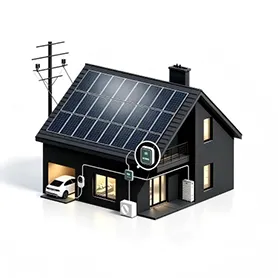
Absolutely. During the day, solar power supplies the home first, with excess stored in the battery for evening use or cloudy days. A solar + storage combination significantly increases self-consumption rates and effectively reduces electricity bills.


Are residential storage systems safe? Is there a fire or explosion risk?

Reputable brands incorporate multiple safeguards: BMS protection (over-charge, over-discharge, over-temperature, short circuit), flame-retardant enclosures, active fire suppression, and explosion-proof venting. Choose products certified to international standards like UL 9540 or IEC 62619, and avoid unauthorized modifications.


Is installation complicated? How much space is needed?

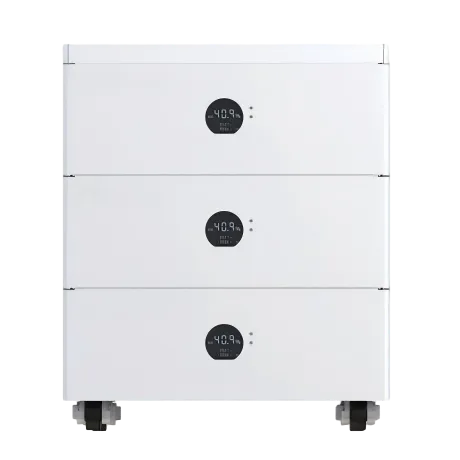
Installation is relatively straightforward. Wall-mounted or stackable designs occupy only 0.3–0.5 m², fitting in garages, balconies, or utility rooms. Professional electrical connections are required, with installation typically completed in 1–2 days. Rack-mounted and wheeled models offer additional flexibility for repositioning.


How much money can residential storage save?

By maximizing self-consumption through solar + storage, you can significantly reduce grid electricity purchases. In regions with time-of-use tariffs, overnight charging at low rates and discharging during peak rates (peak shaving) can generate additional savings. Actual savings depend on local electricity prices, solar conditions, and system configuration.

What are the main differences between C&I and residential storage?

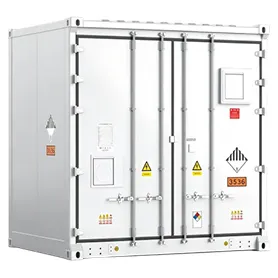
C&I storage offers larger capacity (starting from 100–261kWh, with containerized systems reaching MWh levels), higher charge/discharge power, three-phase industrial-grade electrical interfaces, more advanced thermal management (air-cooled or liquid-cooled), and longer design life and cycle count. It serves factories, shopping centers, office buildings, EV charging stations, and similar facilities.

How much can C&I storage reduce electricity costs?

Savings come from two main strategies: peak shaving — charging during low-rate periods and discharging during high-rate periods to capture the price spread; and demand charge management — using storage to supply power during peak demand hours to reduce transformer demand charges. Combined annual returns typically range from 15%–25% of equipment investment, depending on local tariff structures.


What is the payback period for C&I storage?

Typically 3–7 years, depending on local electricity price spreads, energy consumption scale, system costs, and available incentives. In regions with significant peak-to-off-peak price differences, payback can be shorter. System design life is 10–15 years, with remaining years as pure profit period.


What's the difference between air-cooled and liquid-cooled systems? How to choose?

Air-cooled systems use fans for heat dissipation — simple design, lower cost, easy maintenance — suitable for small-to-medium power applications and moderate climate zones. Liquid-cooled systems circulate coolant for superior temperature control, smaller cell temperature variation, and longer cycle life — ideal for high-power applications, hot climates, or performance-critical projects. Liquid-cooled systems cost more upfront but deliver better long-term returns.


What site requirements are needed for C&I storage?

Requires flat, solid ground. Both indoor and outdoor installation is possible. Air-cooled units need good ventilation; liquid-cooled units require coolant piping connections. Local fire safety codes, electrical grid connection conditions, and environmental regulations must be met. Standards vary by country, so professional site assessment and consultation are recommended.


Get A Quote Right Now

Are You Interested in Zhongchi EV Charging Solutions & Energy Storage Systems?

Do not hesitate and fill the request form.

  • Address:

    China Headquarters: No. 5 Tianyue Avenue, Xincheng Town, Yizheng City, Yangzhou City, Jiangsu Province, China

We use cookies to offer you a better browsing experience, analyze site traffic and personalize content. Part of the tracking is necessary to ensure SEO effectiveness,
By using this site, you agree to our use of cookies. Visit our cookie policy to learn more.
Reject Accept