Intro
DC fast chargers are everywhere — along highways, at shopping malls, even behind convenience stores. But not all charging piles are created equal. If you're looking to invest in EV charging infrastructure, understanding the charger itself is step one.
Let's cut through the noise.
What Is a DC Charging Pile?
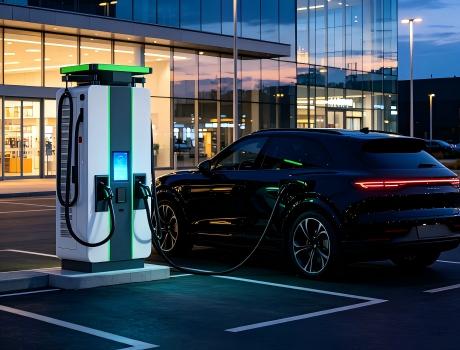
A DC charging pile converts AC power from the grid directly into DC power to charge an EV battery — bypassing the vehicle's onboard charger. This enables much faster charging speeds. Unlike AC chargers (typically 7–22kW), DC piles can deliver 60kW to over 960kW, slashing charge times from hours to minutes.
The Three Main Types
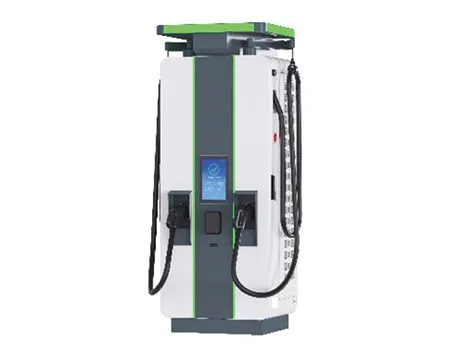
1. Standalone / All-in-One
Integrated charger and control unit in a single cabinet
Compact footprint, easy installation
Ideal for retail parking, fleets, and small stations
Typical power: 60–240kW
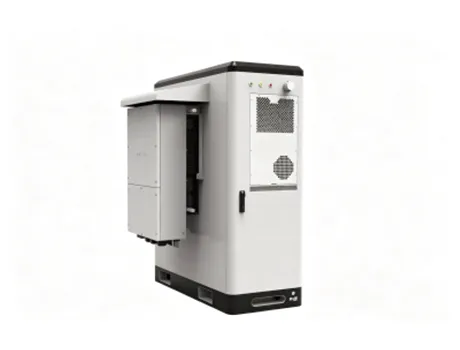
2. Split-Type (Power Cabinet + Charging Terminals)
Separated power cabinet and dispenser terminals
Supports higher power outputs (320–960kW)
Multiple terminals can charge several EVs simultaneously
Best for bus depots, truck stops, and highway service stations
3. V2G (Vehicle-to-Grid)
Bidirectional charger allowing energy flow both ways
EV can discharge back to the grid or building
Available in 7kW and 11kW models
Ideal for smart home energy management and grid peak-load balancing
Key Specs to Check
Power Output (kW): Higher output = faster charging. Commercial DC piles typically range from 60kW to 480kW, with split-type systems reaching 960kW.
Voltage Range: Ensure compatibility with your EV fleet's battery platform — 400V, 800V, or even 1200V systems.
Cooling System: Air-cooled for lower-power units; liquid-cooled for high-power continuous operation — critical for reliability in hot climates.
What Most People Get Wrong
"Higher power is always better."
Not necessarily. A 480kW charger is overkill if your site lacks the grid capacity to support it, or if your EVs can't accept that rate. Consider utilization — a 120kW unit that's constantly in use may serve your needs better than a 480kW unit that sits idle. Power output should match your fleet's charging curve, not just the spec sheet.
Who Is This For?
Fleet operators planning EV depot charging
Property developers installing charging at commercial sites
Gas stations and highway service areas adding EV services
Businesses considering V2G for energy cost savings
Final Thoughts
Don't just compare price per kilowatt. Compare cooling systems, voltage compatibility, grid integration, and ongoing maintenance costs. A slightly more expensive liquid-cooled unit will often save you money in downtime and repairs over its lifetime.
And remember: the charger is just one part. Grid capacity, transformer sizing, and installation quality matter just as much.
Have questions about picking the right DC charger for your project? Drop them in the comments.
 English
 DC Charging Pile
  AC Charging Pile
  Inverter
  Residential Energy Storage
  Integrated Solar-Storage-Charging System
  Commercial & Industrial and Containerized Energy Storage
  Cloud Platform
  Photovoltaic Building Materials