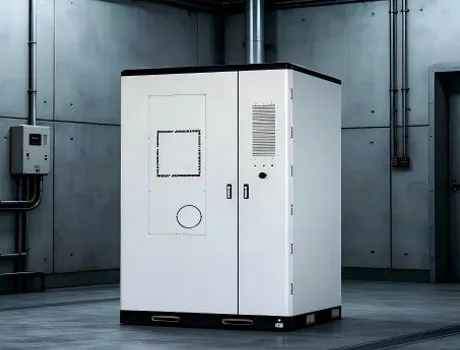
To size a commercial battery storage system for peak shaving, you need to calculate the facility’s peak demand, identify the amount of power that must be reduced, determine the required battery discharge duration, and select the appropriate battery capacity and inverter power rating. A correctly sized system can significantly reduce demand charges while improving energy efficiency and grid flexibility.
For commercial and industrial facilities, battery storage sizing is not simply about installing the largest battery available. The optimal solution depends on electricity consumption patterns, utility tariff structures, peak demand periods, load characteristics, and future energy requirements.
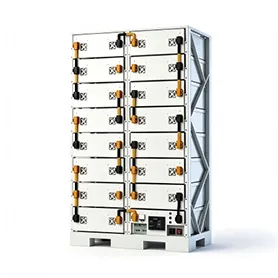
A properly designed commercial battery storage system can help businesses control peak electricity costs, while advanced industrial energy storage solutions provide greater flexibility for factories, logistics centers, and large-scale facilities.
What Is Peak Shaving in Battery Energy Storage?
Peak shaving is an energy management strategy that reduces a facility’s maximum power demand from the grid by using stored battery energy during high-demand periods.
Normally:
Grid → Facility Load
During peak shaving:
Grid + Battery Storage → Facility Load
When electricity demand approaches a preset peak threshold, the battery discharges to supply part of the load, reducing the amount of power drawn from the grid.
This helps businesses lower demand charges, which are often a significant part of commercial electricity bills.
Why Is Battery Storage Sizing Important for Peak Shaving?
An incorrectly sized battery system can create several problems:
Oversized system: Higher upfront investment with unused capacity
Undersized system: Insufficient peak reduction and limited savings
Incorrect power rating: Battery cannot discharge quickly enough during peak periods
Poor operating strategy: Reduced return on investment
Professional sizing ensures the storage system delivers the required power at the right time while maximizing economic benefits.
What Information Is Needed to Size a Commercial Battery Storage System?
Before selecting a battery system, engineers typically analyze the following data:
1. Electricity Load Profile
The most important factor is understanding how electricity consumption changes throughout the day.
Required data includes:
A 15-minute or 30-minute interval load profile is usually preferred because many utilities calculate demand charges based on short peak intervals.
2. Utility Tariff Structure
Peak shaving benefits depend heavily on how electricity costs are calculated.
Important tariff factors include:
For some businesses, reducing a short peak demand event can create significant monthly savings.
3. Target Peak Reduction
The required battery size depends on how much demand reduction the business wants to achieve.
Example:
Required peak reduction:
1,000 kW - 750 kW = 250 kW
The battery system must provide enough power to reduce grid demand by approximately 250 kW during peak periods.
How Do You Calculate Battery Capacity for Peak Shaving?
The basic battery capacity calculation is:
Battery Energy Capacity (kWh) = Required Power Reduction (kW) × Discharge Duration (hours)
Example:
A facility wants to reduce demand by:
Required battery capacity:
300 kW × 3 hours = 900 kWh
After considering system efficiency, degradation, and safety margins, the actual battery capacity may need to be larger.
How Do You Determine Battery Power Rating?
Battery power rating determines how quickly the system can deliver energy.
For peak shaving, the inverter power rating must be high enough to handle the required demand reduction.
Example:
If the goal is to reduce grid demand by 500 kW, the battery inverter should generally provide at least 500 kW of discharge power.
A common mistake is selecting a large battery capacity with insufficient inverter power. The system may store enough energy but cannot discharge quickly enough during peak events.
What Is the Difference Between Battery Power (kW) and Battery Capacity (kWh)?
Understanding this difference is essential for commercial energy storage design.
| Parameter | Meaning | Importance |
|---|
| kW | Maximum power output | Determines peak shaving ability |
| kWh | Stored energy capacity | Determines discharge duration |
For example:
A 500 kW / 1,000 kWh battery system can:
Both values must match the facility’s peak demand characteristics.
How Large Should a Commercial Battery Storage System Be?
The required size varies depending on the application.
Typical considerations include:
Small Commercial Facilities
Applications:
Offices
Retail stores
Small factories
Common objectives:
Medium Commercial and Industrial Facilities
Applications:
Manufacturing plants
Warehouses
Data centers
Common requirements:
Large Industrial Applications
Large facilities may require:
Multi-megawatt battery systems
Advanced energy management platforms
Renewable energy integration
These projects often use customized industrial energy storage solutions designed around specific load profiles.
How Does C&I Energy Storage Support Peak Shaving?
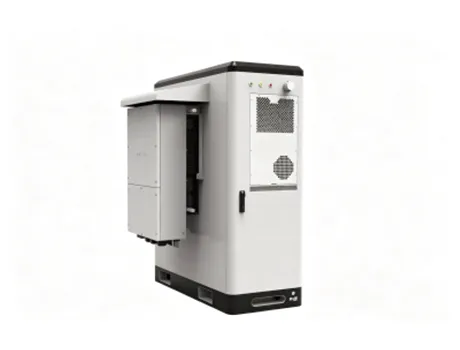
C&I energy storage (Commercial and Industrial energy storage) is designed specifically for businesses that need reliable energy management.
C&I systems can provide:
Demand Charge Reduction
The battery reduces electricity demand during expensive peak periods.
Renewable Energy Optimization
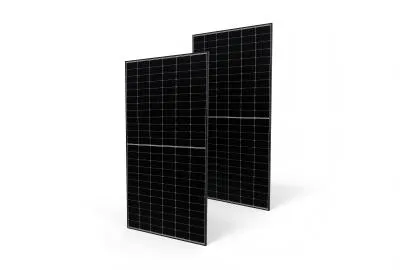
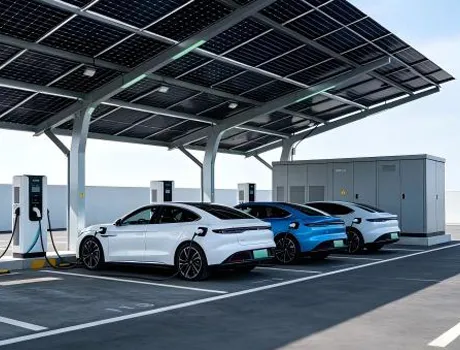
Battery systems can store excess solar energy and use it when electricity demand increases.
Backup Power Support
Depending on system design, storage can provide backup power for critical loads.
Grid Interaction
Advanced systems can participate in demand response programs and smart energy networks.
What Battery Type Is Best for Commercial Energy Storage?
For most commercial and industrial applications, lithium-ion battery technology is widely used due to:
However, battery selection should consider:
Operating temperature
Safety requirements
Required cycle frequency
Project lifetime
Maintenance strategy
How Can Businesses Maximize ROI From Battery Storage?
A successful peak shaving project requires more than selecting battery hardware.
Use Intelligent Energy Management Systems
Energy management software can:
Predict demand peaks
Automatically control charging and discharging
Optimize electricity costs
Monitor system performance
Combine Multiple Applications
A battery system can generate additional value through:
Peak shaving
Renewable energy storage
Demand response
Backup power
Design for Future Expansion
Businesses should consider:
A scalable commercial battery storage system can adapt as energy needs change.
What Are Common Mistakes When Sizing Battery Storage Systems?
Choosing Battery Capacity Based Only on Facility Size
A large building does not always require a large battery. Actual load data is more important than building area.
Ignoring Peak Demand Patterns
Peak shaving requires understanding when and how long demand peaks occur.
Focusing Only on kWh Capacity
A battery with insufficient kW output may fail to achieve the desired demand reduction.
Not Considering Future Energy Needs
Storage projects should consider long-term operational changes.
Conclusion
Sizing a commercial battery storage system for peak shaving requires a detailed analysis of electricity demand, tariff structure, peak reduction targets, discharge duration, and future energy requirements.
The ideal system balances battery capacity, inverter power, and operational strategy to maximize cost savings and reliability. For businesses investing in commercial battery storage, industrial energy storage, or C&I energy storage solutions, accurate system sizing is the foundation for achieving long-term economic benefits and efficient energy management.
FAQs About Commercial Battery Storage Sizing
How do I calculate the size of a battery storage system?
Calculate the required power reduction (kW) and multiply it by the required discharge duration (hours) to estimate battery capacity (kWh).
What size battery is needed for peak shaving?
The size depends on peak demand, target reduction, and how long peak periods last.
Is a bigger battery always better for peak shaving?
No. The best system is based on actual load data and economic analysis.
What is the difference between kW and kWh in battery storage?
kW represents power output, while kWh represents stored energy capacity.
Can commercial battery storage reduce electricity bills?
Yes. Battery storage can reduce demand charges and optimize energy usage during high-cost periods.
 English
 DC Charging Pile
  AC Charging Pile
  Inverter
  Residential Energy Storage
  Integrated Solar-Storage-Charging System
  Commercial & Industrial and Containerized Energy Storage
  Cloud Platform
  Photovoltaic Building Materials