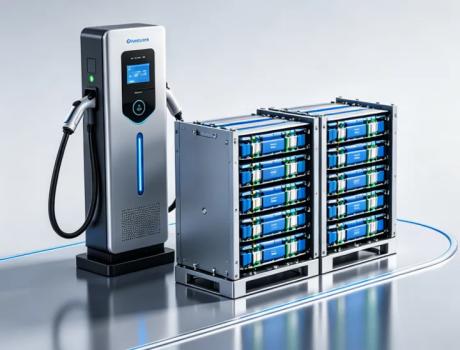
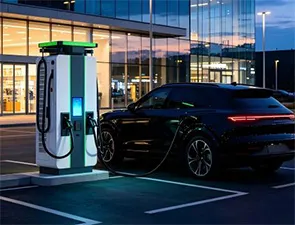
V2G (Vehicle-to-Grid) and V2H (Vehicle-to-Home) are two different applications of bidirectional charging technology. V2G (Vehicle-to-Grid) sends power from an EV back to the electrical grid, while V2H (Vehicle-to-Home) supplies energy to a home or building. The best solution depends on whether the priority is grid support or energy independence.
As EV adoption grows, bidirectional charging is becoming an important technology for energy management. Businesses, charging operators, and EV owners are increasingly evaluating solutions such as a v2g bidirectional charger and v2h bidirectional charger to unlock additional value from electric vehicle batteries.
What Is Bidirectional Charging?
Bidirectional charging allows electricity to flow in two directions:
From the grid to the EV battery (normal charging)
From the EV battery back to another energy system (discharging)
Unlike traditional EV chargers that only deliver electricity to vehicles, bidirectional chargers enable EV batteries to become mobile energy storage systems.
A complete bidirectional charging system typically includes:
Bidirectional power conversion technology
Charging/discharging control system
Communication protocols
Energy management software
Safety protection systems
This technology creates new possibilities for smart grids, residential energy management, and emergency power applications.
What Is the Difference Between V2G and V2H?
The main difference is where the stored EV energy is delivered.
| Technology | Energy Destination | Main Purpose |
|---|
| V2G | Electrical grid | Grid balancing and energy services |
| V2H | Home or building | Backup power and energy optimization |
What Is V2G (Vehicle-to-Grid)?
V2G allows electric vehicles to send electricity back to the power grid.
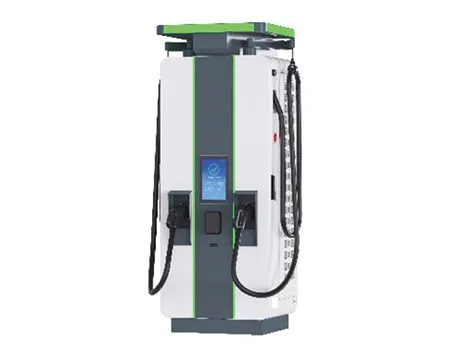
A v2g bidirectional charger enables communication between the EV, charger, and grid system. When electricity demand is high, EV batteries can provide additional power. When demand is low, vehicles can charge at optimized times.
How Does V2G Work?
A typical V2G system includes:
EV connected to a bidirectional charger
Charger converts stored battery energy into grid-compatible electricity
Energy management system controls charging and discharging
Grid operator manages power flow requirements
What Are the Benefits of V2G?
Grid Stabilization
Large numbers of EV batteries can act as distributed energy storage resources, helping manage:
Additional Revenue Opportunities
In some markets, EV owners or fleet operators may participate in energy programs and receive compensation for providing grid services.
Renewable Energy Integration
V2G can help store excess renewable energy generated from:
What Is V2H (Vehicle-to-Home)?
V2H allows an EV battery to supply electricity to a residential building.
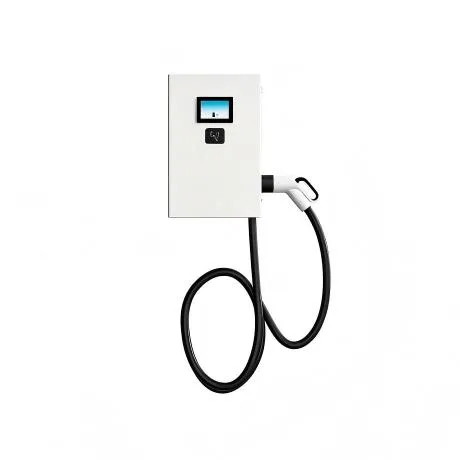
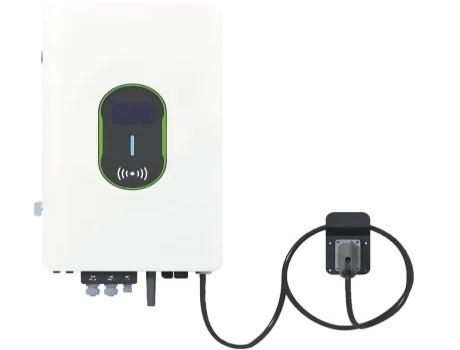
A v2h bidirectional charger works with the home electrical system to provide backup power, reduce electricity costs, and improve energy independence.
How Does V2H Work?
A typical V2H system includes:
During normal operation, the EV charges from the grid or renewable sources. During power outages or high electricity price periods, stored energy can be supplied back to the home.
What Are the Benefits of V2H?
Backup Power During Outages
A V2H system can provide temporary power for essential household equipment, such as:
Lighting
Refrigerators
Communication devices
Home appliances
Lower Electricity Costs
Users can charge vehicles when electricity prices are lower and use stored energy during expensive peak periods.
Better Solar Energy Utilization
When combined with solar panels, V2H allows homeowners to store excess solar energy in EV batteries and use it later.
V2G vs V2H: Which Bidirectional Charging Solution Is Best?
The right choice depends on the application scenario.
For Energy Companies and Charging Operators: Choose V2G
V2G is suitable for:
Public charging networks
EV fleets
Energy service providers
Smart grid projects
It provides opportunities for large-scale energy management.
For Homeowners: Choose V2H
V2H is ideal for:
A v2h bidirectional charger can turn an EV into a household energy storage solution.
What Are the Requirements for Bidirectional Charging?
Not every EV and charger supports bidirectional power flow.
A complete system requires compatibility between:
Electric Vehicle
The vehicle must support bidirectional energy transfer technology.
Bidirectional Charger
The charger must support both charging and discharging functions.
Communication Standards
The EV, charger, and energy management system must communicate correctly.
Grid and Safety Regulations
Installation must comply with local electrical standards and grid requirements.
How Does a V2G Bidirectional Charger Differ From a Traditional EV Charger?
Traditional EV chargers only provide one-way energy transfer:
Grid → Vehicle Battery
A v2g bidirectional charger supports two-way energy flow:
Grid ↔ Vehicle Battery
This requires more advanced power electronics, control algorithms, and communication capabilities.
For commercial applications, selecting an experienced manufacturer is critical because bidirectional charging systems require higher technical integration than conventional EV chargers.
How to Choose a Reliable Bidirectional Charger Supplier?
When selecting a supplier, businesses should evaluate:
Product Development Capability
A professional supplier should have experience in:
Bidirectional power conversion
Energy management systems
Charging communication protocols
Safety certification requirements
Manufacturing Experience
Working with an experienced ev charger factory helps ensure:
Application Support
A reliable partner should provide support for:
Future Development Trends of Bidirectional Charging
Bidirectional charging is expected to become a key part of future energy systems.
Major trends include:
Integration with renewable energy
Smart home energy management
Virtual power plants
Fleet energy optimization
AI-based charging strategies
As EV batteries become larger and charging infrastructure becomes smarter, vehicles will increasingly function as flexible energy storage resources.
Conclusion
V2G and V2H represent different applications of bidirectional charging technology. V2G focuses on supporting the electrical grid, while V2H improves home energy independence.
For businesses planning future EV infrastructure, investing in advanced solutions such as a v2g bidirectional charger or v2h bidirectional charger can create new opportunities in energy management and charging services. Choosing the right technology partner, especially an experienced ev charger factory, is essential for building reliable and scalable bidirectional charging systems.
FAQs About Bidirectional Charging
What is a bidirectional charger?
A bidirectional charger allows electricity to flow between an EV battery and external power systems.
Can all EVs support V2G or V2H?
No. The EV, charger, and communication system must all support bidirectional charging technology.
Is V2H better than V2G?
V2H is better for residential backup power, while V2G is better for grid-level energy management.
How long can an EV power a home with V2H?
The duration depends on battery capacity, household electricity usage, and system configuration.
 English
 DC Charging Pile
  AC Charging Pile
  Inverter
  Residential Energy Storage
  Integrated Solar-Storage-Charging System
  Commercial & Industrial and Containerized Energy Storage
  Cloud Platform
  Photovoltaic Building Materials