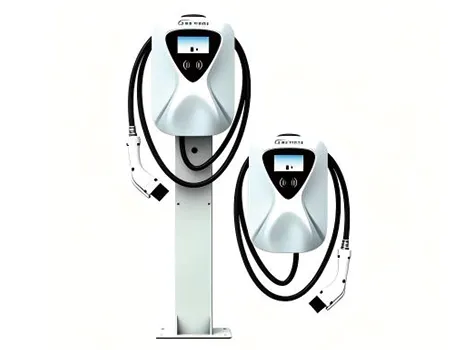
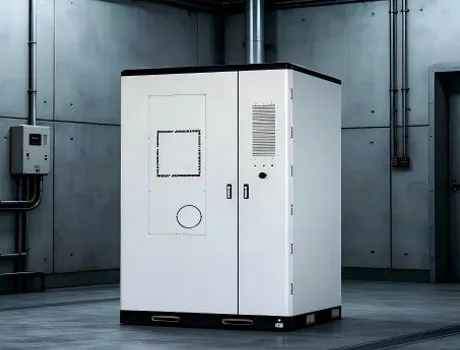
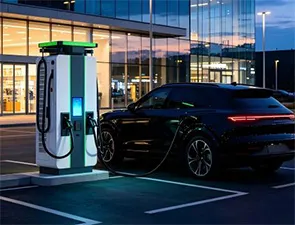
EV charger maintenance is essential for ensuring charging safety, equipment reliability, and long-term operating efficiency. A proper maintenance program should include daily inspections, monthly preventive checks, and annual professional servicing. Whether operating an AC charging pile, DC charging pile, or integrated AC and DC charging system, regular maintenance helps reduce downtime, prevent failures, and improve user experience.
For commercial charging operators, fleet owners, and charging station businesses, EV charging station maintenance is not only about fixing problems after they occur—it is a proactive strategy to protect equipment investment and maximize charging revenue.
Why Is EV Charger Maintenance Important?
EV chargers operate outdoors and are continuously exposed to environmental factors such as rain, dust, temperature changes, humidity, and frequent charging cycles. Without proper maintenance, common issues may include:
Reduced charging efficiency
Communication failures between charger and vehicle
Connector damage or overheating
Payment and software errors
Safety risks caused by electrical faults
Increased repair and replacement costs
A structured maintenance schedule ensures charging equipment remains safe, available, and compliant with operational requirements.
EV Charger Maintenance Checklist
A professional maintenance plan should be divided into three levels: daily inspection, monthly preventive maintenance, and annual comprehensive servicing.
Daily EV Charger Maintenance Tasks
Daily checks are mainly focused on identifying visible problems before they affect charging operations.
1. Inspect Charger Appearance and Physical Condition
Operators should check:
Exterior damage or cracks on the charger housing
Signs of water leakage or corrosion
Loose mounting structures
Damaged display screens or indicator lights
Abnormal noise from cooling fans
For outdoor charging stations, the enclosure should remain properly sealed to prevent moisture and dust from entering internal components.
2. Check Charging Connectors and Cables
The charging gun and cable are among the most frequently used components.
Daily inspections should include:
Cable cuts, deformation, or insulation damage
Connector pins for dirt, oxidation, or burning marks
Proper placement of charging plugs after use
Abnormal heating during charging
Damaged connectors can affect charging performance and create potential safety hazards.
3. Verify Charging Operation
Operators should confirm:
Charger starts normally
User authentication functions correctly
Charging session begins and ends properly
Payment systems and communication networks work normally
For commercial charging stations, quick identification of operational failures helps maintain high charger availability.
Monthly EV Charging Station Maintenance Tasks
Monthly maintenance focuses on deeper inspection and preventive actions.
1. Clean Charger Components
Dust accumulation can affect heat dissipation and electronic performance.
Monthly cleaning should include:
For a DC charging pile, maintaining proper ventilation is especially important because higher power output generates more heat during operation.
2. Inspect Electrical Connections
Technicians should check:
Loose electrical connections may cause overheating, power interruptions, or component failures.
3. Check Software and Communication Systems
Modern EV chargers rely on digital systems for operation and management.
Monthly checks should include:
Firmware status
Network connectivity
Backend platform communication
Remote monitoring functions
Error records and alarm history
Reliable communication is critical for smart charging networks and fleet charging management.
Annual EV Charger Maintenance Tasks
Annual maintenance requires professional inspection and testing to ensure long-term reliability.
1. Perform Electrical Safety Testing
Annual servicing should include:
Insulation resistance testing
Grounding verification
Leakage protection testing
Voltage and current measurement
Protective device inspection
These tests help ensure the charger continues operating within safety standards.
2. Inspect Internal Components
Professional technicians should examine:
Power modules
Contactors
Cooling systems
Circuit boards
Surge protection devices
Energy meters
For high-power DC charging pile systems, early detection of component aging can prevent expensive downtime.
3. Review Performance Data
Annual maintenance should include analysis of:
Charging frequency
Average charging time
Fault records
Energy consumption
User demand patterns
Operational data can help identify efficiency issues and support future charging station upgrades.
How Often Should an EV Charger Be Maintained?
EV chargers should be inspected daily, professionally checked monthly, and comprehensively serviced at least once a year.
The exact maintenance frequency depends on:
High-traffic commercial charging stations usually require more frequent inspections compared with private residential chargers.
What Maintenance Does an EV Charging Station Need?
An EV charging station requires electrical inspection, hardware cleaning, software monitoring, connector maintenance, and safety testing.
A complete maintenance program includes:
| Maintenance Frequency | Main Tasks |
|---|
| Daily | Visual inspection, connector check, charging function test |
| Monthly | Cleaning, electrical connection inspection, software check |
| Annual | Safety testing, internal inspection, performance evaluation |
AC Charging Pile vs DC Charging Pile Maintenance Requirements
Different charger types have different maintenance focuses.
AC Charging Pile Maintenance
An AC charging pile usually has lower power output and simpler internal structures. Key maintenance points include:
Cable and connector condition
Communication module inspection
Protection device testing
Housing and weather protection checks
AC chargers are commonly used in residential areas, workplaces, and commercial parking locations.
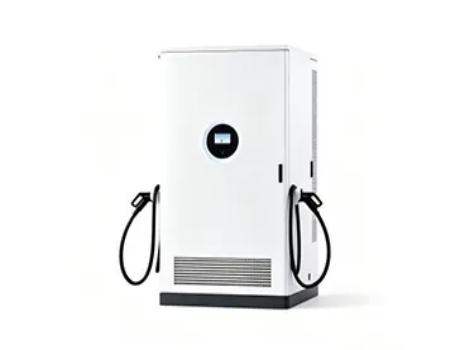
DC Charging Pile Maintenance
A DC charging pile delivers higher charging power and requires more attention to thermal management and electrical components.
Important maintenance items include:
Regular maintenance is especially important for fast-charging stations where equipment operates under heavy loads.
How Can Charging Station Operators Reduce Maintenance Costs?
Operators can reduce long-term costs by implementing preventive maintenance strategies:
Use Remote Monitoring Systems
Smart monitoring platforms can identify:
Early detection reduces emergency repair costs.
Keep Spare Parts Available
Common replacement items include:
Charging connectors
Cables
Cooling fans
Fuses
Communication modules
Maintaining spare components helps shorten downtime.
Train Maintenance Staff
Operators should ensure technicians understand:
Electrical safety procedures
Charger troubleshooting methods
Software diagnostics
Manufacturer maintenance requirements
Conclusion
Regular EV charger maintenance is critical for improving charging safety, extending equipment lifespan, and maintaining stable station operations. A combination of daily inspections, monthly preventive checks, and annual professional servicing helps prevent unexpected failures and reduces operating costs.
For businesses managing AC charging pile, DC charging pile, or complete AC and DC charging solutions, a reliable maintenance strategy is an important part of building efficient and profitable EV charging infrastructure.
FAQs About EV Charger Maintenance
How often should EV chargers be maintained?
EV chargers should be checked daily, maintained monthly, and professionally inspected annually.
What are common EV charger problems?
Common issues include connector damage, communication failures, overheating, software errors, and power faults.
Does an EV charger need regular cleaning?
Yes. Dust and debris can affect cooling performance and electrical reliability.
What is the difference between AC and DC charger maintenance?
AC chargers require basic electrical and connector checks, while DC chargers need additional inspection of cooling systems and power modules.
How can I extend the lifespan of an EV charger?
Regular maintenance, proper cleaning, software updates, and quick fault handling can significantly extend charger service life.
 English
 DC Charging Pile
  AC Charging Pile
  Inverter
  Residential Energy Storage
  Integrated Solar-Storage-Charging System
  Commercial & Industrial and Containerized Energy Storage
  Cloud Platform
  Photovoltaic Building Materials