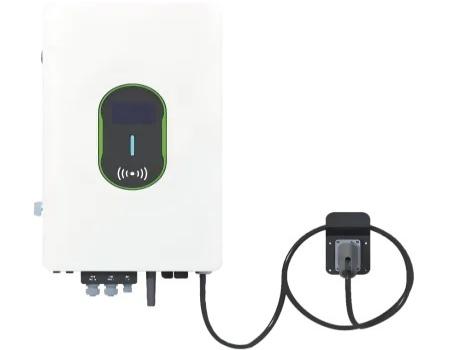
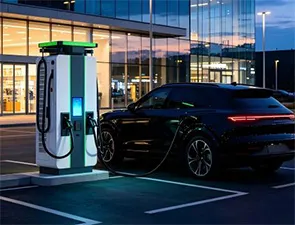
EVSE (Electric Vehicle Supply Equipment) is the complete system that safely delivers electricity from the power source to an electric vehicle, including hardware, communication functions, safety protection, and control systems. An EV charger is one component or function within the EVSE system, while “charging pile” is a commonly used industry term, especially in Asian markets, referring mainly to the physical charging equipment.
In the EV charging industry, these terms are often used interchangeably, but they have different meanings. Understanding the difference between EVSE, EV charger, and charging pile helps businesses, operators, and buyers select the right charging solution for residential, commercial, and fleet applications.
What Does EVSE Mean?
EVSE stands for Electric Vehicle Supply Equipment. It refers to the complete equipment and technology infrastructure that enables safe electricity delivery between the electrical grid and an electric vehicle.
An EVSE system typically includes:
Charging hardware
Power conversion components
Charging connectors and cables
Communication modules
User authentication systems
Safety protection devices
Energy measurement systems
Software management platforms
Unlike a simple power outlet, EVSE manages the charging process and ensures that electricity is delivered safely according to vehicle requirements.
What Does EVSE Do?
EVSE performs several critical functions beyond supplying electricity.
1. Ensures Charging Safety
EVSE continuously monitors electrical conditions and protects against:
These safety mechanisms are essential for preventing damage to vehicles, charging equipment, and electrical infrastructure.
2. Communicates With Electric Vehicles
Modern EVSE systems communicate with vehicles before and during charging.
The communication process allows the system to:
Confirm vehicle connection
Identify charging requirements
Control charging power
Stop charging when necessary
This intelligent interaction distinguishes EVSE from traditional electrical outlets.
3. Supports Charging Management
Commercial EVSE solutions often include smart management features such as:
These functions are especially important for public charging networks and fleet charging applications.
What Is the Difference Between EVSE and an EV Charger?
The terms EVSE and EV charger are often confused because both relate to electric vehicle charging. However, they are not exactly the same.
| Feature | EVSE | EV Charger |
|---|
| Meaning | Complete charging equipment system | Device or function that supplies charging power |
| Scope | Includes hardware, communication, safety, and control systems | Mainly focuses on power delivery |
| Application | Residential, commercial, fleet, public charging | Refers mainly to charging hardware |
| Industry usage | More technical and regulatory term | More common consumer term |
In simple terms, the EV charger is part of the EVSE system. EVSE represents the complete charging solution.
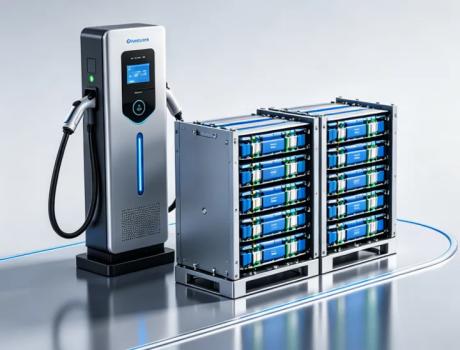
Is an EV Charger the Same as EVSE?
No. An EV charger and EVSE are related but not identical.
An EV charger mainly refers to the component responsible for converting and delivering electrical power. EVSE includes the charger plus additional systems required for safe operation, communication, and charging management.
For example:
A home charging unit may be called an “EV charger” by consumers, but technically it is an EVSE device because it includes protection, communication, and control functions.
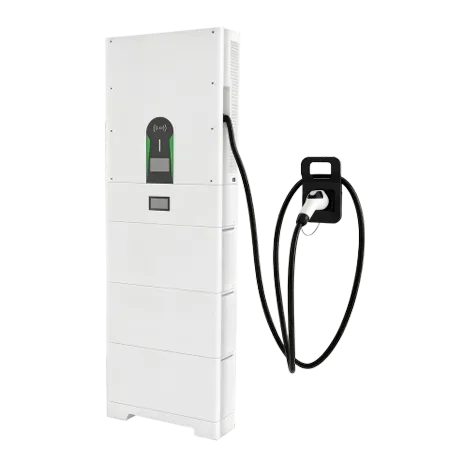
What Is a Charging Pile?
“Charging pile” is a widely used term in China and many Asian EV markets. It generally refers to the physical charging equipment installed in parking areas, charging stations, and commercial locations.
A charging pile usually includes:
In international markets, “charging pile” is often equivalent to terms such as EV charger, charging station, or EVSE equipment.
What Is the Difference Between AC Charging Pile and DC Charging Pile?
The main difference between an AC charging pile and a DC charging pile is where the power conversion happens.
AC Charging Pile
An AC charging pile supplies alternating current (AC) power to the vehicle, while the vehicle’s onboard charger converts AC electricity into DC power for battery charging.
Key characteristics:
Common applications:
Residential charging
Office parking
Shopping centers
Hotels
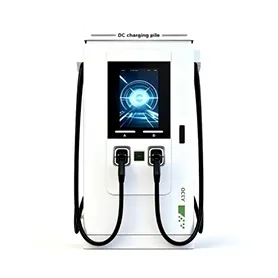
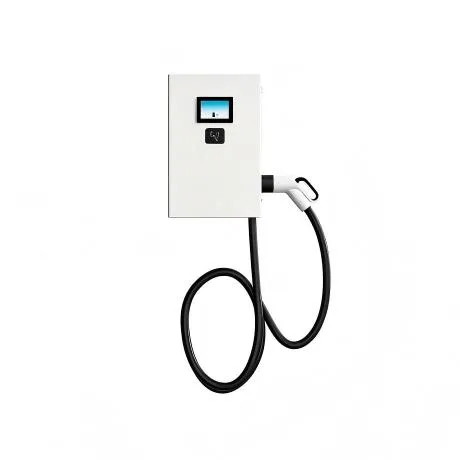
DC Charging Pile
A DC charging pile converts AC power into DC power inside the charging equipment and directly supplies DC electricity to the vehicle battery.
Key characteristics:
Common applications:
AC Charging Pile vs DC Charging Pile: Which One Should Businesses Choose?
The choice depends on application requirements.
| Application | Recommended Solution |
|---|
| Home charging | AC charging pile |
| Workplace charging | AC charging pile |
| Shopping mall parking | AC or mixed solution |
| Taxi and fleet charging | DC charging pile |
| Highway fast charging | DC charging pile |
Businesses should consider:
Required charging speed
Available power capacity
Installation cost
User charging behavior
Future expansion plans
Why Is EVSE Important for Commercial Charging Stations?
For commercial operators, EVSE is more than charging hardware. It is a complete business infrastructure that affects:
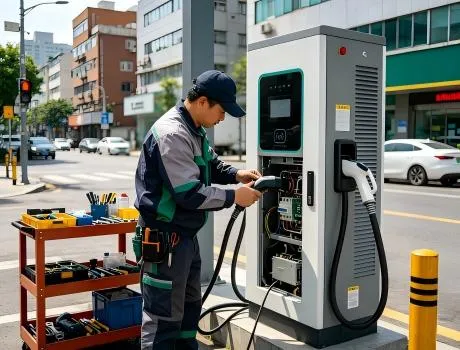
Charger uptime
Customer experience
Energy efficiency
Revenue generation
Maintenance costs
Advanced EVSE solutions enable operators to manage multiple charging stations through centralized platforms, optimize electricity usage, and improve operational efficiency.
What Components Are Included in an EVSE System?
A complete EVSE system may include:
Power System
Responsible for receiving and distributing electricity.
Charging Module
Controls charging power output.
Connector and Cable Assembly
Provides the physical connection between charger and vehicle.
Control System
Manages charging processes and safety functions.
Communication System
Connects chargers with vehicles, networks, and management platforms.
User Interface
Allows users to start charging, make payments, and monitor charging status.
How Does EVSE Support the Future of EV Charging?
As electric vehicle adoption increases, EVSE technology is becoming more intelligent and connected.
Future EVSE development trends include:
Higher-power DC fast charging
Smart energy management
Vehicle-to-grid (V2G) technology
Remote diagnostics
AI-based maintenance
Integrated renewable energy solutions
For charging operators and infrastructure providers, selecting reliable EVSE equipment is essential for long-term scalability.
Conclusion
EVSE is the complete ecosystem that enables safe, intelligent, and efficient electric vehicle charging. While an EV charger focuses mainly on delivering power, EVSE includes the full combination of charging hardware, safety systems, communication technology, and management functions.
Understanding the difference between EVSE, EV chargers, and charging piles helps businesses choose the right charging infrastructure. Whether deploying an ac charging pile for daily charging or a dc charging pile for fast charging networks, reliable EVSE technology is the foundation of successful EV charging operations.
FAQs About EVSE
What does EVSE stand for?
EVSE stands for Electric Vehicle Supply Equipment, the complete system used to safely charge electric vehicles.
Is EVSE the same as an EV charger?
No. An EV charger is part of EVSE, while EVSE includes charging, safety, communication, and control functions.
What is a charging pile?
A charging pile is a common term for EV charging equipment, especially in Asian markets.
What is the difference between AC and DC charging piles?
AC charging piles use the vehicle’s onboard charger, while DC charging piles directly provide DC power to the battery for faster charging.
Which is better, AC charging pile or DC charging pile?
AC charging piles are suitable for long parking periods, while DC charging piles are better for fast charging applications.
 English
 DC Charging Pile
  AC Charging Pile
  Inverter
  Residential Energy Storage
  Integrated Solar-Storage-Charging System
  Commercial & Industrial and Containerized Energy Storage
  Cloud Platform
  Photovoltaic Building Materials